
challenges to coastal bears
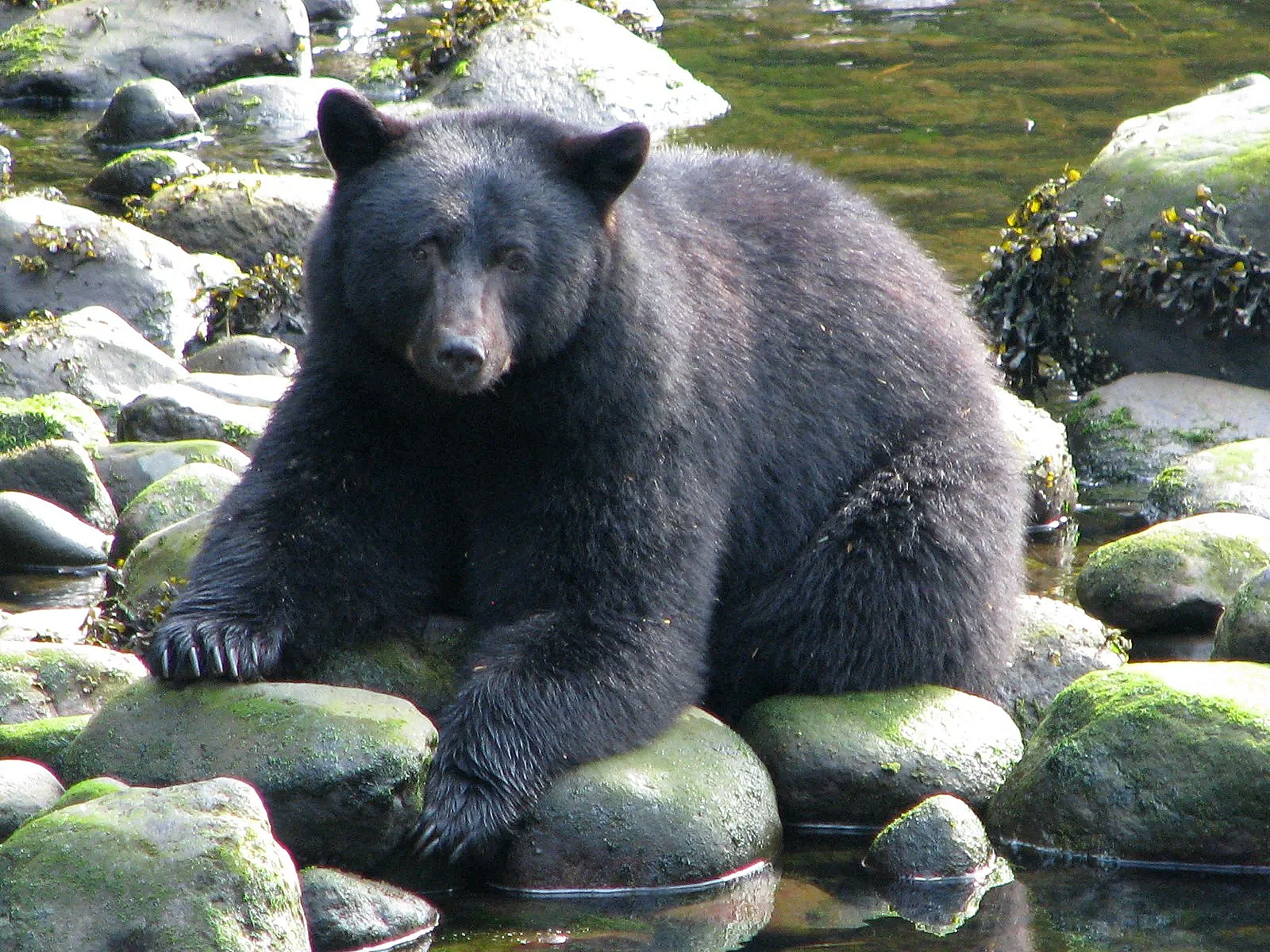
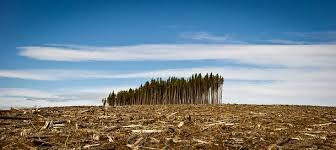
Our coastal bears are not alone in facing significant natural habitat and den site loss due to inappropriate logging practices. Although clearcuts can increase nutritious vegetation productivity, this is only temporary. Often new tree plantations become so dense that no sunlight can filter though for years. As well, Glyphosate is widely used on clearcuts to destroy natural succession vegetation in order to fast track the growth of commercially valuable trees. Not only can this practice poison animals and the water they and we all drink, but it can eventually leave the land unproductive, destroying wildlife habitat. Increased access to the back country by logging roads, conflicts with farmers and their livestock, hunting and illegal poaching, vehicle collisions and climate change all affect habitat. Various forms of development and the resulting surge in the amount of unmanaged attractants are bringing more bears into urban areas. At this time in history, the importance of learning to live respectfully and safely with resident bears and other wildlife cannot be amply emphasized.
glyphosate
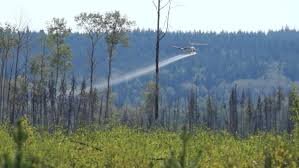
Glyphosate is the active ingredient in Monsanto’s Roundup™. It is used to kill off broadleaf plant species that might inhibit the growth of high value conifer seedlings planted after a forest is logged. Glyphosate applications result in a lack of foraging foliage, reduced plant diversity, lack of shade trees, an increased threat of beetle infestation and wildfire spread.
Logging
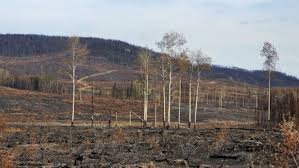
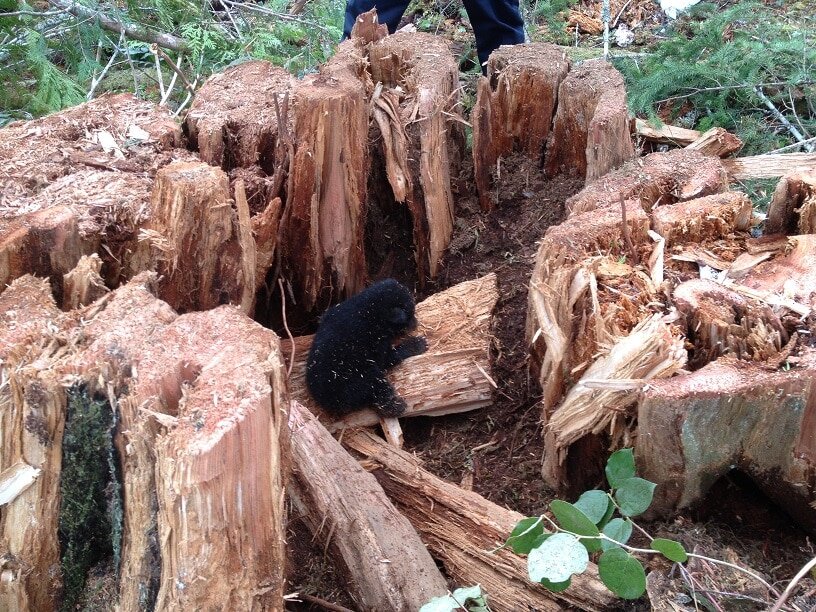
The Sunshine Coast is home to some of the oldest trees in the province. Logging old growth and well established old growth recruitment forests reduces the availability of forest denning sites. At present there are no regulations in British Columbia governing forest practices near bear denning sites except for in the Great Bear Rainforest and Haida Gwaii.

Urban development
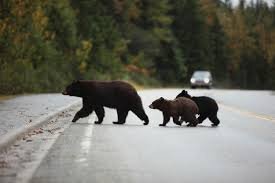
Increased urban development contributes to the loss of suitable habitat for bears and brings with it the potential for unwanted human-bear encounters: a variety of human activities such as inadequate garbage and attractant management, increased vehicle traffic and collisions with bears and other wildlife, and an increased numbers of people recreating in bear habitat areas.
FARMERS AND LIVESTOCK CONFLICT
Many rural acreages on the coast grow livestock, fruit trees and other produce. In British Columbia, under Section 26(2) of the Wildlife Act: “Bears that are harassing or menacing domestic animals (livestock) or birds can be hunted on a person's property,”
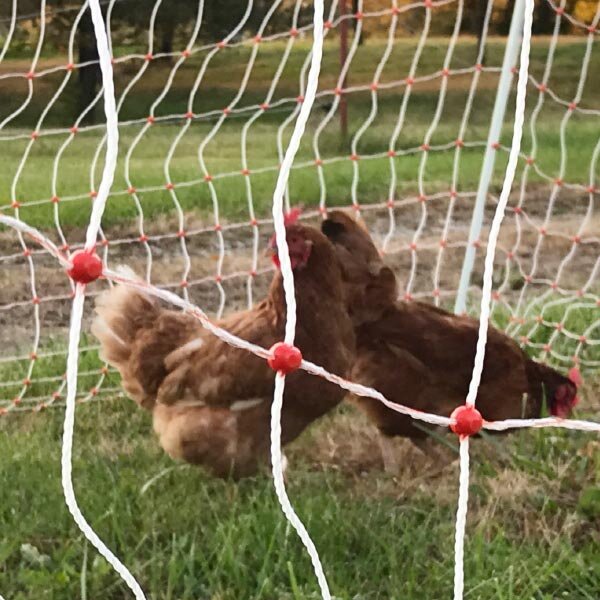
Bears are very intelligent and can learn quickly to avoid rural properties with produce, backyard chickens and other livestock, when they are protected by properly installed electric fencing.
“B.C. opens Sunshine Coast forest — home to some of Canada’s oldest trees — to logging.” https://thenarwhal.ca/bc-opens-sunshine-coast-forest-logging/
“Old-growth logging leaves black bears without dens: biologist” https://thenarwhal.ca/old-growth-logging-leaves-black-bears-without-dens-biologist/