
Managing Bear Attractants
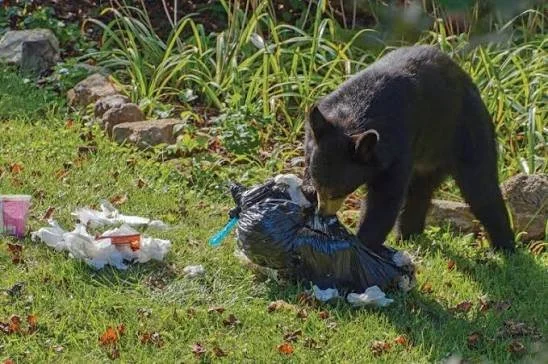
Bears are most often attracted to residential neighbourhoods by food odours. Once a bear has located a good food source, it will remember the location and return. Bears can communicate the location and that it is ‘safe’ to feed, to other bears through their scat and scent trails.
Bears in pursuit of an easy meal may damage property, or in rare cases, cause injury to people and pets. It is important for EVERYONE in bear country to follow precautions and encourage their neighbours to do so as well.
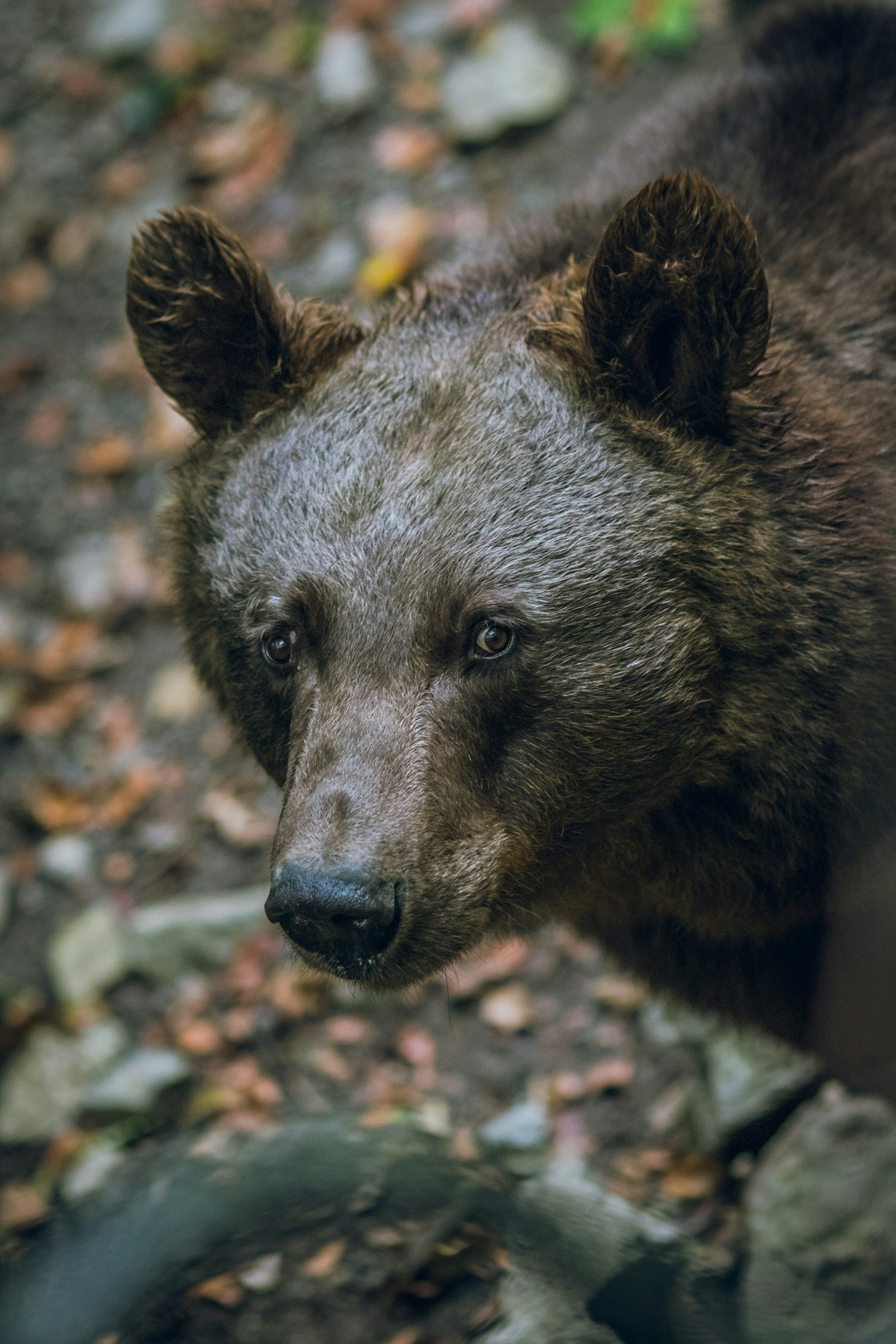
When wildlife managers called to deal with a ‘problem’ black bear, the animal is very often destroyed.
You can help keep people, pets and bears safe, by vigilantly managing your attractants.
UNMANAGED GARBAGE IS THE #1 CAUSE OF BEARS BEING KILLED BY COS IN BC
Under the Wildlife Act, conservation officers can issue a $230 ticket or notice for a court appearance to residents who do not secure attractants. Residents who intentionally leave out items that attract dangerous wildlife could also be issued a Dangerous Wildlife Protection Order. Failure to comply with an order carries a $575 fine.
Bear Attractants around your Home
Garbage
Recycling
Outdoor freezers
Dirty diapers
Bird feeders
Hummingbird feeders
Barbeques including grease traps
Citronella candles
Pet food
Fruit trees and berry bushes
Fish and bone fertilizer
Vegetable gardens
Beehives
Compost
Backyard chickens
Livestock
Salt or mineral blocks
Petroleum products
Beverages and food remnants, wrappers, scented air fresheners
Bears have a keen sense of smell and can detect food and other attractants from up to one kilometre away!
Compost food items, they should not be in the garbage. Rinsing containers before throwing them in the trash or recycling bin will help reduce odours. Bears have an incredible sense of smell; the more pungent your garbage is, the more attractive it is to bears and the further away they can smell it.
TIP: Separate and freeze your smelly garbage from the rest, so that you are not affronted by the smell every time you discard something. Have infants? Use a Diaper Genie. This way, you can keep your trash in the house till morning of pickup or even longer! Making less garbage in the first place is best for bears, the environment and your pocketbook!



GARBAGE
Rinse and drain smelly or wet containers and freeze odourous items until the day of collection.
Keep garbage and recycling bins clean with vinegar, bleach and water or original Pinesol
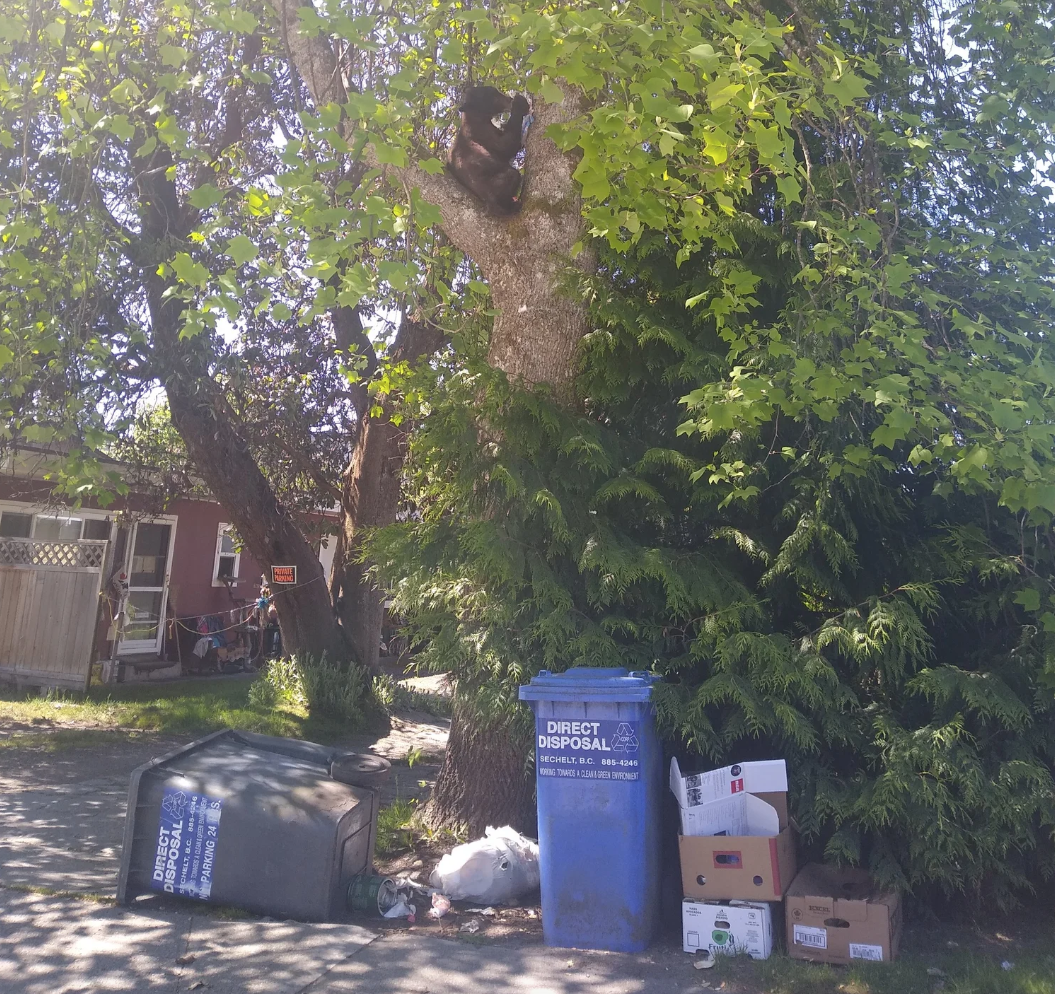
Store garbage and recycling in an enclosed garage, bear resistant enclosure, or inside your home until collection day. Place them on the curb no earlier than 0700 am the day of pick-up. Bring them in as soon as possible after they’ve been emptied. Never leave your garbage out overnight!
If you have to store garbage bins in an open garage, secure them to a stationery object with a locking chain. Spray the bin and surrounding area with household bleach and water or Pinesol. Avoid Lemon Scented Pinesol; use Original Pine scent only. Bears are highly attracted to sweet, fruity, and citrus odours; using lemon-scented cleaners will actually draw bears in rather than deterring them. Bears love ant larvae. Ants are full of formic acid and smell like lemon. (Citronella, a lemon scented bug repellant, is also not recommended in bear country.)
Consider purchasing a bear proof garbage bin or MAKE YOUR GARBAGE BIN BEAR RESISTANT. Secure the bin to a solid structure or a tree so bears can’t knock it over or roll it away and “work” it.
To rent our motion alarm device click HERE
recyclables
Rinse recyclables well before placing in bin.
BIRD FEEDERS
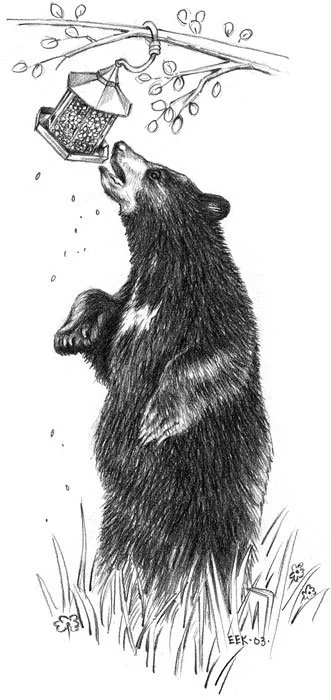
Bird seed, an easily accessible and rich source of calories, is a major bear attractant. It’s best to avoid them altogether, but limiting their use to winter months and or intermittent plate feeding is preferable to traditional bird feeders.
Hummingbird feeders also attract bears. Instead, plant a hummingbird and butterfly friendly garden.
Plant bird friendly gardens and/or install birdbaths, sand baths or houses.
pet food
Never leave pet food outside. If you feed pets outside, bring bowls inside once they are finished.
barbeques
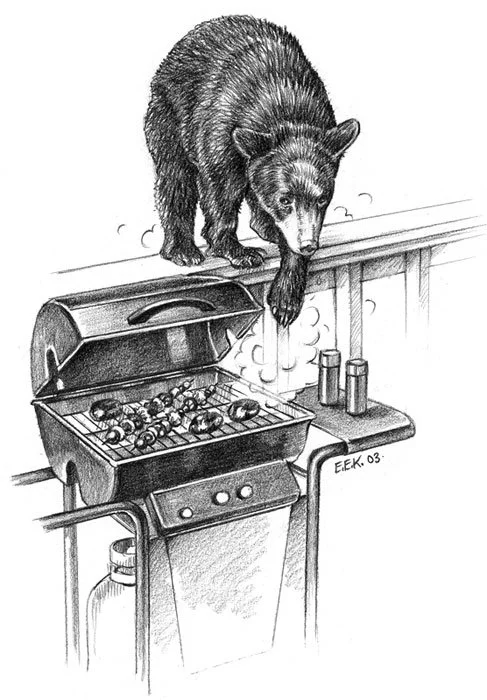
Clean the grease trap and burn off your grill at high heat for 10 minutes after each use. Store BBQ covered, out of the wind and in a secure area.
COMPOST
Recycling food and other organic waste into compost provides a range of environmental benefits, including improving soil health, reducing greenhouse gas emissions, recycling nutrients, and mitigating the impact of droughts.
Never add meat, fish, oils, fat, eggshells or cooked food, cereals or grains
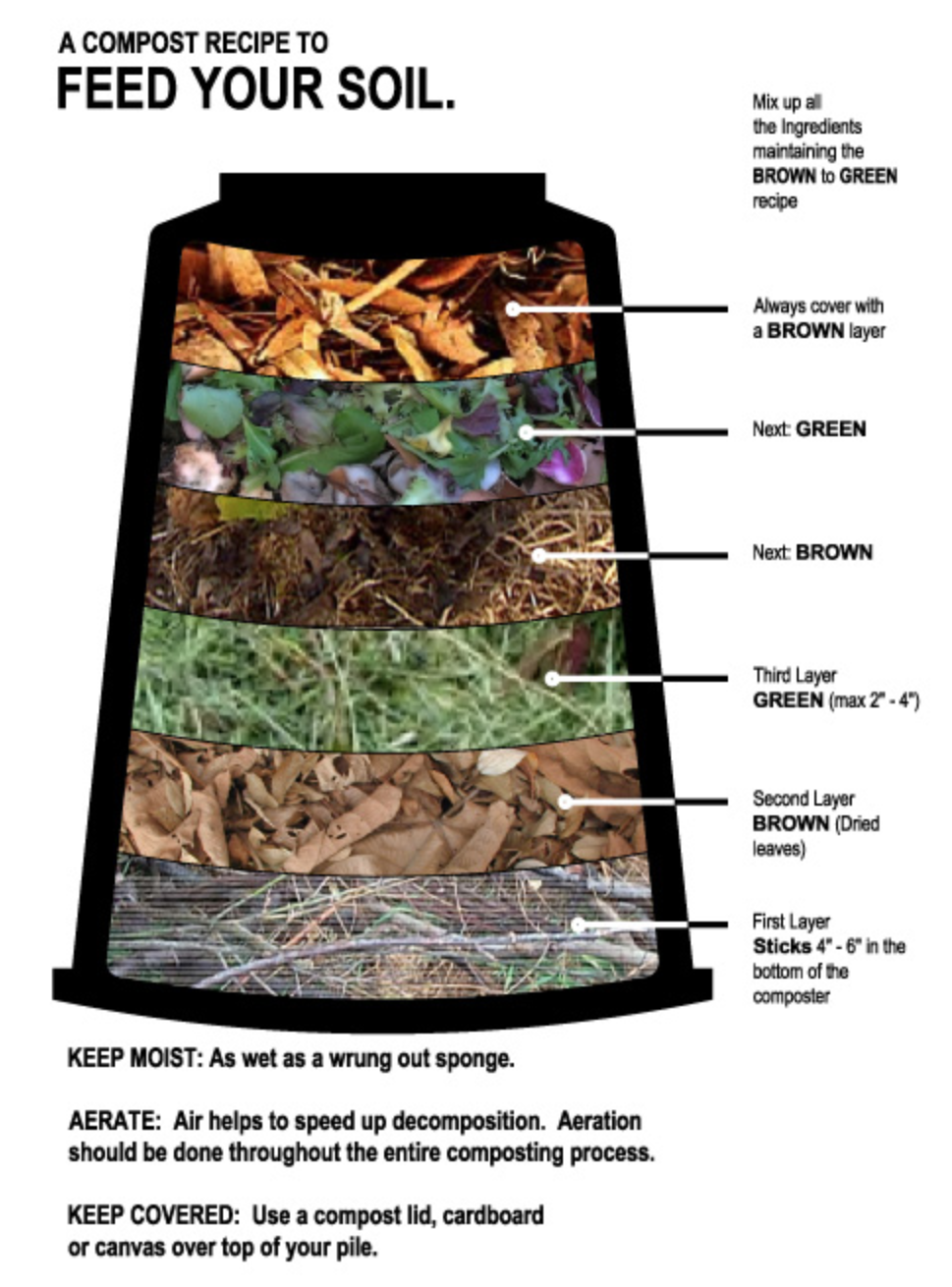
Turn regularly to oxygenate and use equal amounts of green (kitchen scraps and lawn clippings) to brown (dried leaves, grasses).
It can be challenging to compost properly in bear country, but it can be done. Ideally it should be secured inside electric fencing.
There are also many indoor composters available on the market.
LIVESTOCK AND FEED
Keep animal feed secure inside a bear proof enclosure or building.
Shelter chickens and other livestock inside at night. Protect chicken coup and outdoor area from predators with electric fencing.
Protect your livestock animals with a properly installed electric fence.
Keep young animals close to your house.
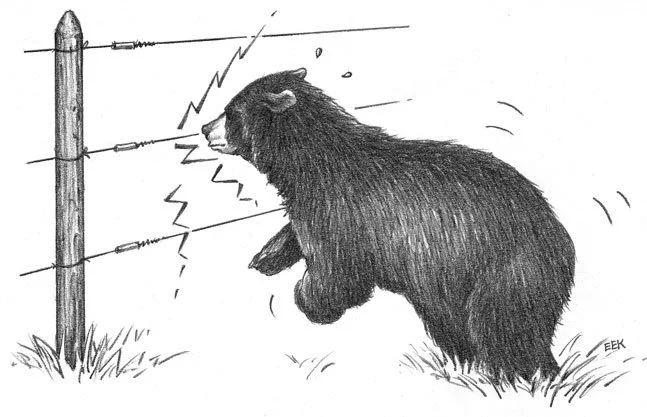
Properly installed electric fencing can protect your fruit trees, chickens and livestock, compost and more.
FRUIT TREES AND BERRIES
Pick your fruit daily as it ripens or ripen indoors. Pick fallen fruit daily and do not allow it to accumulate.
If you need help picking fruit, contact a local fruit picking/sharing organization, like the One Straw Society on the lower Sunshine Coast, or Skookum Gleaners in the qathet region. Or search for local interest on Social Media.
If you do not use your fruit or berries, or have too much to share with your friends and neighbours, consider replacing them with a native non-fruit bearing variety.
BEARS AND YOUR VEHICLE
Bears are deft and highly intelligent and can open an unlocked car or easily pry open a cracked window. If a bear gets locked into your car, it can do a substantial amount of damage.
Keep your vehicle neat and attractant free. Even an empty candy wrapper or paper coffee cup can spark a bear’s interest. Always keep car doors locked and windows fully closed, day and night.
Garbage, recycling or other attractants should not be stored in your car or truck bed.
Leftover food, beverages or even empty containers, cooles, pet food, bird seed, scented products such as laundry detergents and toiletries, recycling and even car air fresheners are all temptations for a bear.

This vehicle was accessed by a bear who detected odours from an empty pizza box. Photo Credit: Juneau Pizza
If you witness repeat attractant issues, wild animals being fed, or dogs running loose in your neighbourhood, we recommend you follow this escalation process to address concerns: Contact SCRD and info please click HERE
Encourage the Conservation Officer Service to give out Dangerous Wildlife Protection Orders and fines: Lower Sunshine Coast CO: SGT Dean Miller: 604-989-0591 Dean.L.Miller@gov.bc.ca Or call the RAPP hotline (toll-free in B.C.): 1-877-952-7277 (1-877-952-RAPP)
Encourage the CO Service to use use NON-LETHAL AVERSIVE CONDITIONING methods to deter bears from properties.