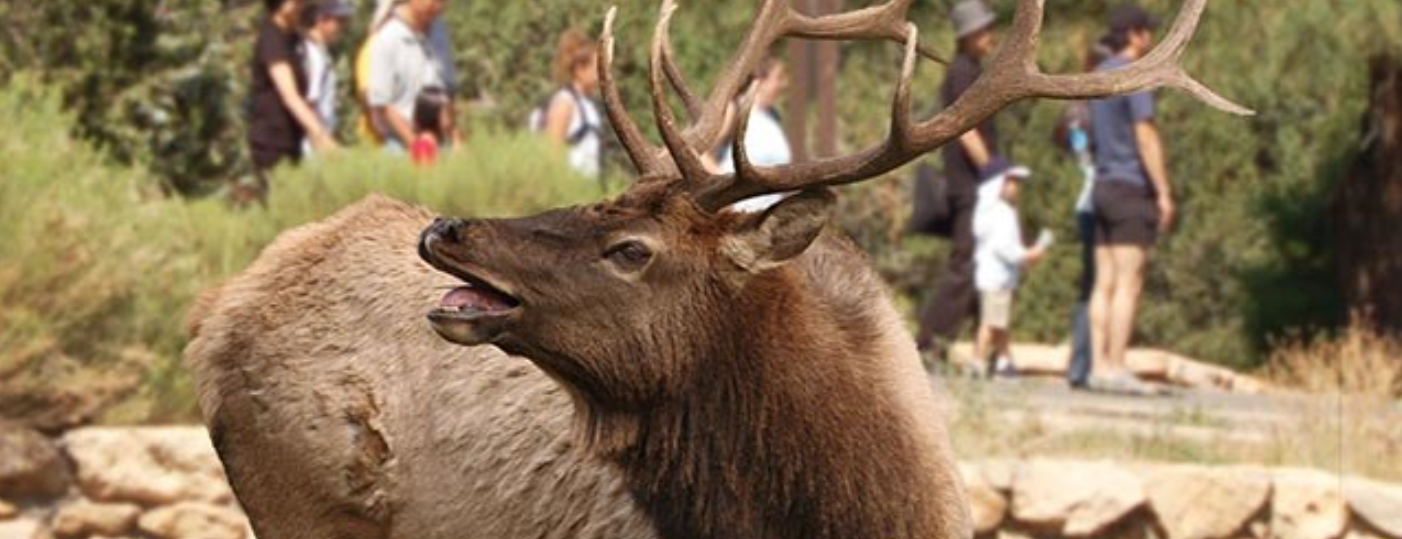
Banner photo credit: US National Park Service
Elk Safety
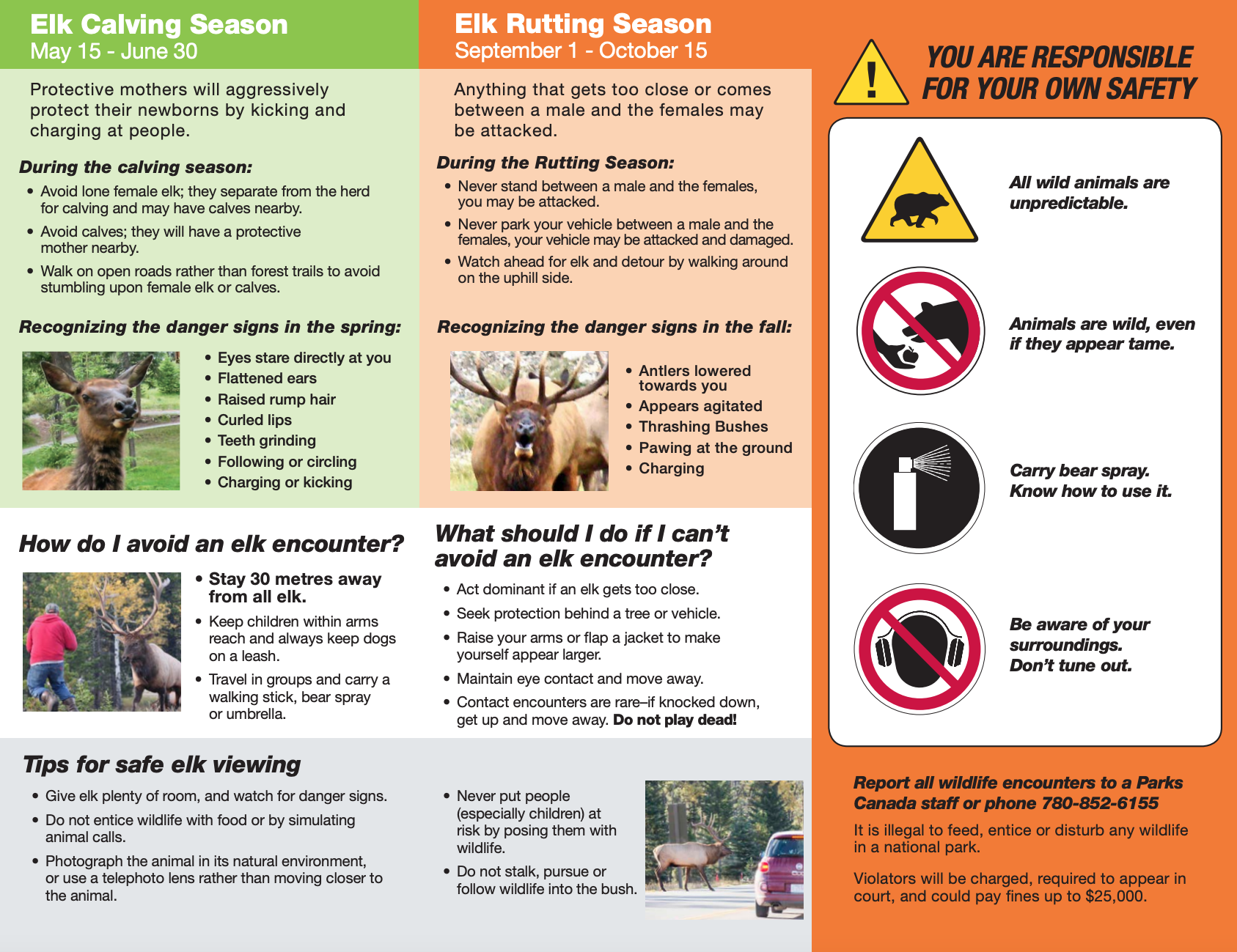
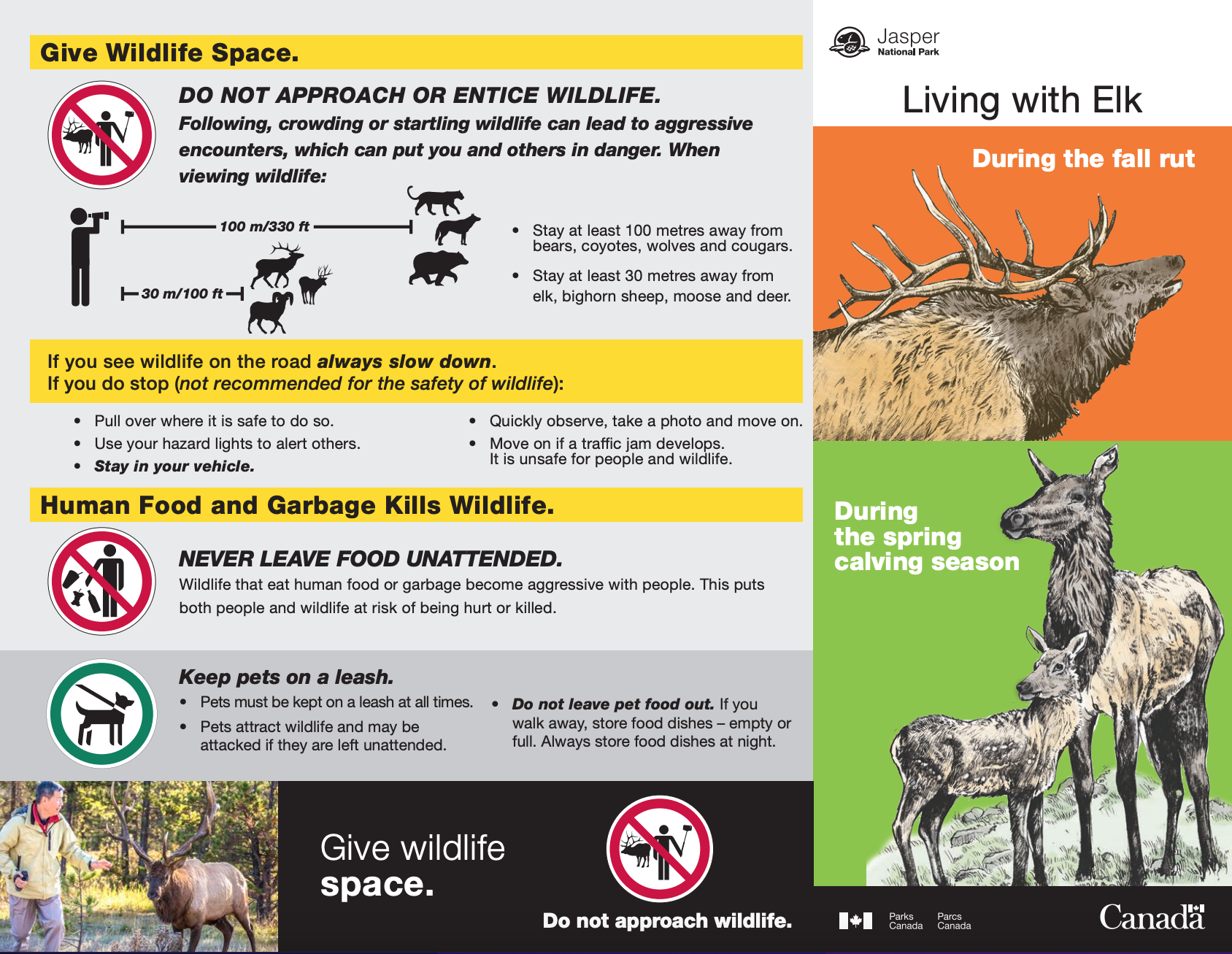
Most people are primarily concerned about bear encounters, however, the Lower Sunshine Coast supports a healthy population of Roosevelt Elk; thriving and numerous in some locales. Statistically, injuries from elk encounters far outnumber those from bears, most importantly, reactions to, and methods for staying safe, differ from bear encounters.
It’s Not The Bears
“When people imagine negative wildlife encounters in Canadian national parks, they may picture predators like grizzly bears or wolves. But based on new research, when it comes to aggressive encounters between people and wildlife, the species most frequently involved might surprise you: elk. New Conflict Research Challenges Long-Held Beliefs
Elk top the list. Among the aggressive encounters analyzed in a study, elk were the species most frequently involved, accounting for 63% of reported incidents. Grizzly bears accounted for 14%, black bears for 13%, mule deer for 7%, and coyotes for only 3%. These numbers reflect how the reported encounters were distributed among species, not the likelihood that an encounter with that species would become aggressive.” The Fur Bearers
Elk are herbivores that eat a mix of grasses, forbs (wildflowers), and woody browse, consuming about 10 kgs of vegetation daily. Their diet shifts with the seasons, heavily relying on fresh greenery in the spring/summer and switching to woody plants, bark, and exposed grasses during the winter. Plants coastal elk eat include grasses, dandelions, white clover, fireweed, alder (shoots and bark), willow, berries, chokecherry, and snowberry. etc. wild mushrooms, tree lichens, and even cattails when preferred food is scarce.
TIPS FOR REDUCING CONFLICT WITH ELK
Do not feed elk or other wildlife. Feeding elk in urban settings can lead to more conflicts and vehicle collisions
Use motion activated lights and sprinklers
Use strong fencing and/or electric fencing 2.4 m minimum height to exclude elk from your yard
Encircle trees and shrubs with chicken wire to protect them from damage
Clear thick brush that reduce sightlines and provide security cover and shelter to elk
Ensure that hay and livestock feed is inaccessible to elk by using fencing and proper storage
Check to make sure there is no wildlife present before letting your dog out