

IDENTIFICATION AND LIFESTYLE
not all black bears are black!
Not all black bears are black and not all grizzly bears are brown or grizzled. Black bear fur colour can range from almost white to cinnamon, to auburn, very dark brown or black. On Princess Royal Island, one in ten cubs is born white as a result of a recessive gene from both the mother and the father. This revered white phased black bear, is called a spirit bear, or ghost bear by First Nations. It was given its colonial name Kermode, after Sir Francis Kermode, a museum curator who kept a poor individual in captivity for life but never saw one in the wild. White phase black bears have been spied elsewhere, Terrace, Minnesota and even on the Sunshine Coast! The Blue or Glacier bear’s black fur is grizzled with white, which gives it a bluish appearance. It lives exclusively in a highly specific, rugged region of southeastern Alaska, the extreme northwestern tip of British Columbia, and southwestern Yukon. Most of our Sunshine Coast bears are black.

Colour is not a reliable indicator of species. Both black and grizzly bears come in a variety of colours.
Size and Strength
Black bears average 1-2 meters in length and weigh approximately 57 – 225 kilograms, but can get as large as 350 km or even more when well fed. Black and grizzly bears Despite their size they can run at speeds of up to 45 - 55km/hr., backwards, forwards, uphill, downhill, up a tree or coming down. Bears are very powerful with the strength to roll over large logs and boulders when searching for insect larvae. They can easily pry open car doors with their claws in order to access food left in vehicles.
Many people fear bears because of their size and strength, but mostly because of misinformation and folklore. Statistically, bears have more to fear from humans than the other way around.
The white Spirit Bear, a dark brown black bear, and a Cinnamon Bear


not all grizzly bears are grizzled!
Grizzly bears also come in a variety of colours and range from almost white to black, light, med, dark brown to grizzled. In the Kootenays, there are white grizzlies with dark extremities. Grizzlies are called brown bears in some locales, however, they are the same species.
GRIZZLY BEARS OCCASIONALLY SHOW UP ON THE SUNSHINE COAST!
species identification
Size is not a reliable indicator of species. A large black bear can be twice the size of a small grizzly.
Colour is not a reliable indicator of species. Both black bears and grizzlies come in a variety of colours.
Grizzlies have evolved as superb diggers, with strong shoulder muscles which give them a pronounced hump, however, black bears are often mistaken for grizzlies because their shoulder humps can appear larger while their heads are down or they are facing downhill.
Black bear rumps tend to be noticeably higher than their shoulders, the opposite is true for grizzlies.
Black bears have longer ears, whereas a grizzly’s are shorter and rounder. However, a young grizzly may appear to have longer ears than a large, heavy adult black bear.
Black bears tend to have a straighter face profile, while grizzlies a wide dished face. However, a large adult black bear can have a wide head and an adolescent grizzly a narrower one.
Black bear claws, adapted for climbing, are darker and shorter, whereas a grizzly’s, adapted for digging, are lighter and longer. However, if you use claws as an identifier without the use of binoculars, you are probably too close.
Paw prints differ. If you can draw a straight line between the pad and the toes, it’s a grizzly. If not, it’s a black. Because of the greater length of the claws, grizzly claw prints are further forward of the toes than a black bear’s.
Both black and grizzly bears dig and can climb trees.
AND SOMETIMES, IT CAN BE REALLY DIFFICULT TO TELL THEM APART.
Click to further help you distinguish between GRIZZLIES vs BLACK BEARS. You can try the tricky quiz at the bottom of the page.

Black Bear vs Grizzly. Credit: Know Your Bears. Alberta.ca
How large is a bear’s home?

Black Bears Males: 250 to 775 square km. Females: 25 to 130 square km.
Grizzly bears Males: 1,000 to 2,000 square km. Females: 200 to 500 square km.
POPULATION NUMBERS Black Bears, the smallest member of the Ursidae family in North America, are found everywhere in Canada except for on Prince Edward Island. Small coastal islands may be devoid of bears for various reasons, lack of enough suitable habitat, sufficient food, or too many people. Texada Island, near Powell River, has had no large carnivores for a long time, likely because of habitat destruction but more so because were not welcome. Very recently a grizzly bear nicknamed “Tex”, swam to the island and coexisted peacefully until he was illegally shot by a resident. Ignorance and fear convicted him to death, not for anything he did, but for what he might do.
British Columbia boasts the highest density of bears in Canada, although no reliable survey has ever been conducted, the population estimate for black bears in BC ranges from 120,000 to 150,000. Grizzly bear population estimates have been fluctuating for decades, mostly because of politics. They are notoriously difficult to count and up till recently, numbers were largely arrived at through extrapolation. Currently the population estimate ranges from 14,000-16,000 individuals. Grizzly bears are formally designated as a "Blue-listed" (vulnerable) species in British Columbia.
HOME RANGES Unlike wolves, bears do not have territories with marked boundaries. Instead, they have home ranges which overlap with those of other bears; when habitat is less than optimal, they can overlap to a greater degree.
Bear home ranges can vary drastically depending on sex and species, food, water, shelter availability and mating opportunities, with males typically ranging from 3 to 6 times further than females. Mothers with small cubs of the year travel smaller distances than mothers with mobile yearlings. In temperate coastal regions with reliable, high-calorie food, bears have smaller home ranges. Interior or boreal bears must travel over much larger areas to find food. Home ranges can expand in the spring when food is scarce or during the mating season. Because they are highly adaptable and thrive in forested environments, black bear ranges are notably smaller than those of grizzly bears who require vast expanses of wilderness to forage and survive.
CAN BEARS BE SOCIAL? Except for mothers with cubs, bears remain largely solitary. Some bears occasionally meet up with friends, likely siblings; males and females meet up during mating season and bears will congregate in large numbers at spawning channels and other areas rich in food sources. In the past, people would go to garbage dumps to view gatherings of bears. Various species of bears, upon being rescued from years of abusive, cruel and solitary conditions seem to be very happy, get along and play together in their new homes.
During spawning season, where there is lots of food for everyone, bears tolerate each other at close distances; however a hierarchy exists among them; the biggest and toughest usually dominate the best fishing spots. In this situation, grizzlies as well as black bears are in turn, very tolerant of humans who respect bear protocol, act predictably, stay with and follow the instructions of an experienced guide. Being the smaller animal, black bears tend to avoid areas with grizzlies, but at some spawning channels you will see both black and grizzly bears passing through on the same day.
Bears communicate to other bears and mark their presence on rub trees. Bears of all ages and both sexes rub their scent on trees, wooden sign posts and utility poles, but during mating season, the majority of marking is done by mature males. Both male and female bears urinate to make others aware of their presence; a tuft of long hair at the end of their genitals helps guide the flow. If you get close enough, it can help identify the sex of a young bear. With big old boars, identification can be more than obvious. By grinding and twisting their feet into the ground while walking, bears make use of the scent glands in their feet to announce their presence.
Habitat

Coastal black bears live mainly in wooded areas. A moderate density of deciduous and coniferous trees provide protection but still allows sunlight to filter through to the forest floor, providing a good selection of shrubs and other foliage for foraging. Where older trees have fallen, an abundance of decomposing logs and stumps house protein rich insects such as ants and termites.
Black bears have an exceptionally good sense of smell and well developed navigational abilities which help them locate seasonal food sources; they may travel more than 100 km to access ripened wild berry patches, fruit and nut bearing trees, and unmanaged anthropocentric attractants.
In the winter months black bears may choose to den inside the base or even above ground cavities of large trees, under large logs or root boles, under root masses, large boulders, or they may simply snuggle into depressions underneath brush. Black bears have even been found denning under buildings. In coastal British Columbia, almost all black bear dens are in or under large-diameter trees, snags, logs or stumps, and may be up to 25 m above the ground.
HABITAT LOSS Our coastal bears are not alone in facing significant natural habitat and den site loss due to inappropriate logging practices. Although clearcuts can increase nutritious vegetation productivity, this is only temporary. Often new tree plantations become so dense that no sunlight can filter though for years. As well, Glyphosate is widely used on clearcuts to destroy natural succession vegetation in order to fast track the growth of commercially valuable trees. Not only can this practice poison animals and the water they and we all drink, but it can eventually leave the land unproductive, destroying wildlife habitat. As well, various forms of development and the resulting surge in the amount of unmanaged attractants are bringing more bears into urban areas. At this time in history, the importance of learning to live respectfully and safely with resident bears and other wildlife cannot be amply emphasized.
What do Black Bears eat?
Black bears are listed as carnivores, but are essentially omnivores. All carnivores have sharp elongated canine teeth for tearing, but bears also have molars, much like we do, for grinding and chewing. As omnivores, they feed on plants, fish, insects and animals.
Bears are highly opportunistic and adaptable, feeding on whatever is readily available in their immediate surroundings - grasses, leaves, catkins, horsetail, sedges, flowers, berries, cherries, fruits and nuts, mushrooms, etc., etc.. They may dig for rodents, eat eggs, grubs, larvae, termites, ants, and other insects. Depending on where they live, newborn ungulates and scavenged meat from winter-killed animals may provide important protein in the spring. Major sources of animal protein for coastal bears are fish and insects.
Bears have minimal ability to digest plant cellulose, unlike true ruminants such as deer and elk which have elongated digestive systems enabling them to extract all their nutrients from a vegetarian diet. Bears are able to extract protein from the tender shoots or leaves of plants and grasses that emerge in spring, but not enough to gain weight. They avoid the same plants and grasses as they mature.
Bears however, can extract nutrients and pack on the calories from a great number of other plant sources including mushrooms, flowers, fruits, seeds, nuts and berries. If we eat it, bears can too….and more. Bears are highly efficient berry-eaters, and can consume from 30,000 to 100,000 berries a day for black bears and 200,000 to 250,000 for grizzlies. They gather berries quickly and swallow them whole with sensitive, mobile and protruding lips - bear berries, soap berries, gooseberries, cranberries, all species of huckleberries, blueberries and blackberries, bilberries, strawberries, salmonberries and more.
throughout the season
Since bears follow their noses and move about throughout the summer, learning about seasonal food sources can help determine their whereabouts at certain times. If you are aware of their presence and act accordingly, unwanted encounters can be avoided. Communicate with your neighbours, fellow dog walkers and hikers about recent bear sightings and encounters, and temporarily avoid these areas, especially when moms and cubs of the year are present. Please respect ‘Bear In Area’ signs and notifications.
Spring
In spring, bears may feed on grasses, skunk cabbage, horsetail, dandelions, clover, cottonwood buds and catkins. These foods are highest in protein content shortly after leaf burst or flowering, before cell walls build up lignin and cellulose and become more difficult to digest. The availability of these items in spring is generally predictable and abundance does not vary greatly from one year to another.
Pine nuts are another important spring food with high protein content that is easily digested. Opportunists that they are, bears simply dig up middens after squirrels have done all the work collecting but have forgotten where they buried their pine cones.
Summer

During the brief period where berries have not yet ripened and spring foods have disappeared, ant colonies provide major protein sources, as do bumblebee and wasp larvae. Insects, especially ants and wasps, continue to be important summer food. Although they wouldn’t say no to honey, the real reason bears tear into beehives, is to access the larvae while their thick coats protect them from stings.
As they become available, bears love to eat berries and other soft fruits. On the coast, salmonberry is an important food in early summer, and other berries are enjoyed as they become available, red huckleberry, raspberry, blueberry, currants, black twinberry, elderberry, red-osier dogwood, and salal. Habitats with predictably high species-specific berry production like salal, may be most attractive. Black bears typically consume around 30,000 and grizzlies can eat 100,000 to 200,000 berries a day.
In rural and urban areas, bears often pack on the fat from anthropogenic plant food sources like cherries, apples, pears, plums as well as fruit from ornamental trees. It is the abundance of summer and fall food that has the greatest effect on bear survival and successful female reproduction.
Black bear feeding on bitter cherries
Fall
Bears may forage up to 20 hours a day during the fall, and can increase their body weight by up to 35% in preparation for winter, especially in years when fruit is abundant. During this time they enter ‘hyperphagia’, which literally means “excessive eating.”

Salmonids are an important source of protein for coastal bears.
Summer and fall food items vary greatly in timing, availability and abundance from one year to another. Bears are highly intelligent and have excellent memories when it comes to remembering the location of their favourite food sources, but their noses help lead the way. In fall, protein rich hazelnuts, acorns and other nuts are prized foods.
If salmon is available, black bears can wait below waterfalls during spawning season and catch them with their powerful jaws, or, fish downstream with their claws or their very own unique methods. They can eat about 15 salmon per day; fatty and protein rich, brains, eggs, skin and back muscles are preferred dining. Unfortunately the number of wild salmon streams has dangerously dwindled from historic levels and this traditional food source now makes up a smaller portion of a bear’s diet.
What does bear poop look like?
Bear poop is referred to as ‘scat’ and may vary in shape and consistency, depending on what the bear has been eating. If the bear has been feeding primarily on moist foods like berries and grass, their poop will be very loose.


do bears Hibernate?
“Yes and no. Bears are not considered to be true hibernators” Body temperatures remain high, but their heart rates slow down to approximately 8 beats per minute. Unlike true hibernators like ground squirrels, they do not have to normalize their body temperatures; some bears get up and walk around during the winter and have been known to access attractants like garbage during the winter. Because of this ability to awaken, bears can defend the den and cubs from outside predators if need be.
Bears den for varying lengths of time depending on where they live. In warmer climates a bear might spend just a few weeks denning, or sometimes not at all. By denning during winter, bears avoid this period of food shortage and live on fat stores accumulated in the previous months.
Pregnant females den up earlier than males, give birth to cubs in late January to early February and emerge last. Bears burn up to half of their stored body fat while in the den and lose up to 40 % of their body weight, while neither urinating nor defecating.
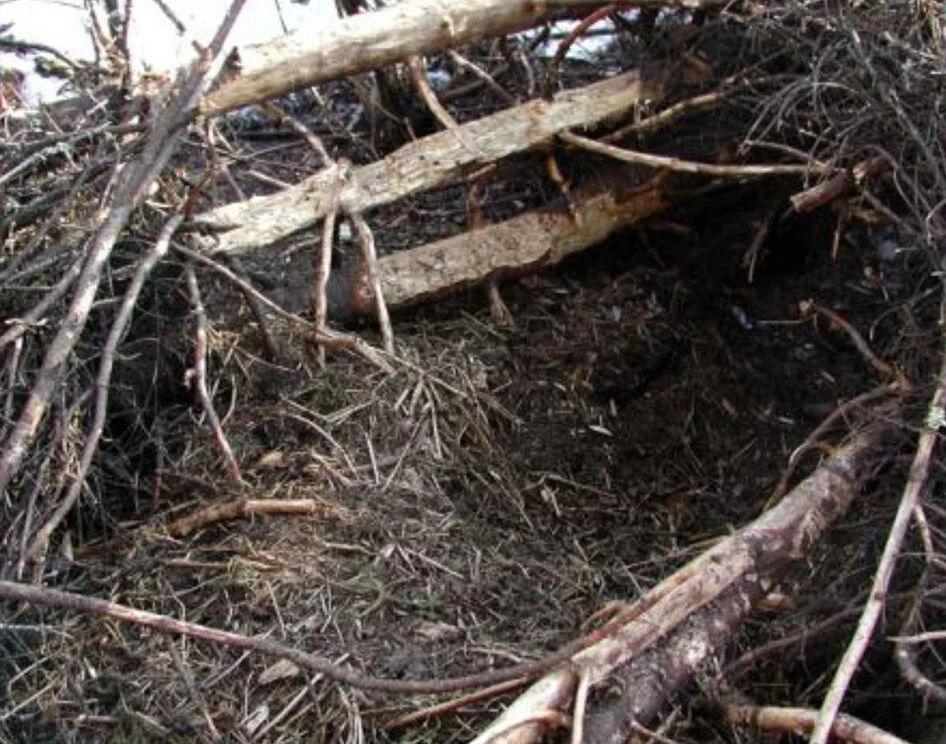
Black bears can choose to den in tree cavities at ground level, or at the base of a tree, under root masses, large logs, root boles or boulders, simple depressions under brush, or even buildings. Compared to grizzly bears, black bears tend to den at lower elevations and in less steep terrain than their grizzly bear cousins.


Be Bear savvy!
In order to avoid disturbing bears in their dens, when recreating in winter months, ask yourself:
“If I were a bear would I make a den in that location?”
Bears are exceptionally smart and usually prefer to den away from trails and routes that attract human travel. .

Photo credit: Insider.com
Black Bear Reproduction & Maturation
Black bear females can begin producing cubs between the ages of 5 to 7. In June to mid-July, males seek out and mate with several females; females also may mate with more than one male. Before mating can begin, yearlings are sent on their way in order to stay safe from males hopped up on testosterone. Siblings may stay together for a while before separating.
After mating, the fertilized egg floats freely in the uterus. If the mother is fat and healthy enough to sustain herself, as well as the cubs, throughout hibernation, between November to December the egg attaches to the uterine wall and rapid growth takes place and the actual gestation period is very short, only about 6 to 8 weeks. Tiny, blind and helpless cubs, covered with fine down-like hair and about the size of a squirrel, are born between January and February. On average, 1-3 cubs are born, but litters of 6 have been recorded.
Cubs suckle frequently from the female and grow quickly; when the sow and her cubs emerge from the den in April, cubs can weigh 2.5 to 4 kgs. (5.5 to 9 lbs.) Bear milk has one of the highest fat contents of any land mammal, containing 20% to 33% fat, depending on species. At peak lactation a black bear cub consumes about 30 ounces of milk a day, and a grizzly cub about 45 ounces. Cub mortality is high, with an average survival rate of 50% in their first year.
Cubs continue nursing throughout their first summer and eventually learn how to find and eat solid foods. Black bear cubs remain with their mothers for 16 to 18 months, grizzlies for two to three years and during this time, mothers teach cubs everything they need to know. Grizzly moms are fiercely protective, and are responsible for 50% of serious human injury caused by bears, however it is extremely rare for a black bear to injure a person in defence of cubs. When dispersing, young females are allowed to occupy portions of the mother’s territory, but males are forced to move on and find their own ranges.